
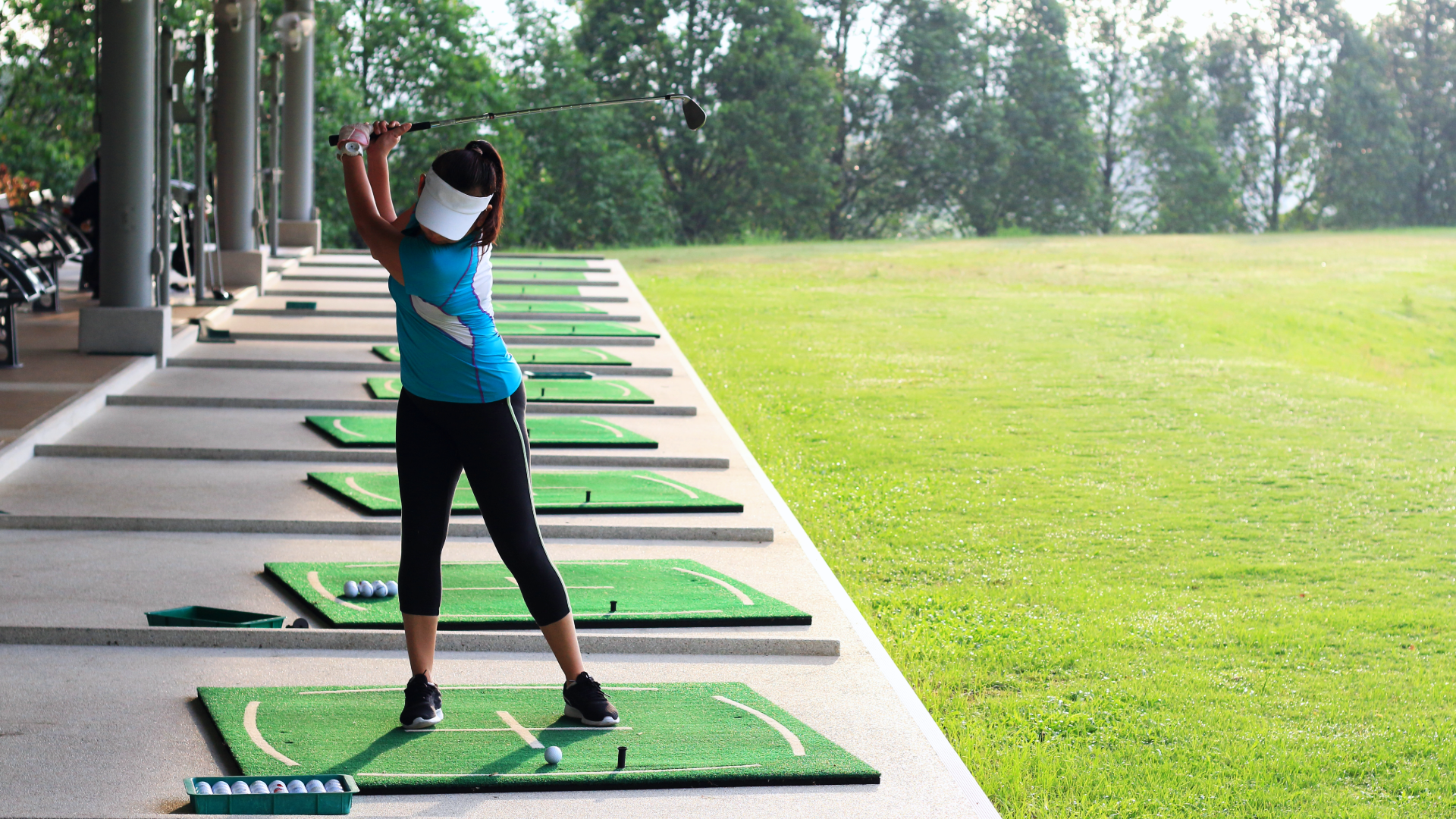
Complete Golf Practice Plan for Better Results
Golf improvement doesn’t happen by accident. Many golfers spend hours at the driving range hitting ball after ball without a clear goal, only to see little improvement in their scores. The difference between golfers who improve quickly and those who remain stuck is having a structured practice plan.
A complete golf practice plan helps you focus on the right areas, develop consistency, and maximize every minute you spend practicing. Whether you’re a beginner looking to break 100 or an experienced player trying to lower your handicap, a well-organized practice routine can dramatically improve your results.
This guide outlines a complete golf practice plan designed to help golfers practice smarter, build confidence, and achieve better performance on the course.
Why Most Golfers Don’t Improve
Many players practice regularly but fail to see meaningful progress.
Common Practice Mistakes
- Hitting balls without a goal
- Spending too much time on the driver
- Ignoring the short game
- Not tracking progress
- Practicing only strengths
- Never simulating on-course situations
Why a Practice Plan Works
A structured plan helps you:
- Focus on weaknesses
- Build consistency
- Improve scoring skills
- Track improvement
- Practice efficiently
The goal isn’t to practice more—it’s to practice better.
The 60-20-20 Golf Practice Rule
Many amateur golfers spend too much time hitting drivers.
A balanced practice routine should prioritize scoring areas.
Recommended Practice Breakdown
60% Short Game
- Putting
- Chipping
- Pitching
- Bunker shots
20% Iron Play
- Approach shots
- Ball striking
- Distance control
20% Driver and Woods
- Tee shots
- Fairway woods
- Hybrids
This balance reflects where most strokes are gained or lost.
Weekly Golf Practice Schedule
Day 1: Short Game Focus
Putting Practice (30 Minutes)
Work on:
- Short putts
- Distance control
- Green reading
Chipping Practice (30 Minutes)
Focus on:
- Different lies
- Landing spots
- Consistency
Pitching Practice (15 Minutes)
Practice shots from:
- 20 yards
- 40 yards
- 60 yards
Day 2: Full Swing Practice
Warm-Up (10 Minutes)
Start with:
- Stretching
- Easy swings
- Wedges
Iron Practice (40 Minutes)
Work through:
- Short irons
- Mid irons
- Long irons
Focus on:
- Contact
- Accuracy
- Distance control
Driver Practice (20 Minutes)
Prioritize:
- Accuracy
- Fairway finding
- Consistent tempo
Day 3: Putting Mastery
Putting is often the fastest way to lower scores.
Short Putt Drill
Make:
- Ten 3-foot putts
- Ten 5-foot putts
Repeat until successful.
Distance Control Drill
Practice putts from:
- 20 feet
- 30 feet
- 40 feet
Focus on speed rather than making every putt.
Pressure Drill
Create challenges to simulate on-course pressure.
Day 4: Rest or Light Practice
Allow your body and mind to recover.
Productive Recovery Activities
- Golf stretching
- Mobility work
- Mental game training
- Golf instruction videos
Improvement happens during recovery as well.
Day 5: Range Session with Purpose
Many golfers waste range sessions.
Instead, practice like you’re playing a round.
Club Selection Drill
Hit:
- Driver
- Iron
- Wedge
Switch clubs frequently.
Target Practice
Pick specific targets.
Avoid simply hitting balls aimlessly.
Shot-Shaping Practice
Experiment with:
- Draws
- Fades
- Different trajectories
This builds creativity and control.
Day 6: On-Course Practice
Playing golf is different from range practice.
Practice Course Management
Learn when to:
- Play aggressively
- Play conservatively
Evaluate Decisions
Ask yourself:
- Was that the right club?
- Did I choose the right target?
Keep Statistics
Track:
- Fairways hit
- Greens in regulation
- Putts per round
Statistics reveal areas needing improvement.
Day 7: Review and Reflection
Improvement requires evaluation.
Analyze Performance
Review:
- Strengths
- Weaknesses
- Recent progress
Set New Goals
Create specific objectives for the following week.
Examples:
- Improve putting accuracy
- Hit more fairways
- Reduce three-putts
The Perfect Driving Range Session
A good range session should have structure.
Warm-Up Phase
Start with Wedges
Hit easy shots.
Focus on rhythm and balance.
Gradually Increase Swing Length
Work toward full swings naturally.
Skill Development Phase
Ball Striking
Focus on:
- Solid contact
- Center-face strikes
Accuracy
Aim at specific targets.
Distance Control
Practice multiple yardages.
Performance Phase
Simulate actual golf holes.
Example
- Hit driver
- Hit approach iron
- Hit wedge
This creates realistic practice situations.
Best Putting Drills for Better Results
Circle Drill
Place balls around the hole.
Goal
Make every putt before moving on.
Improves confidence on short putts.
Ladder Drill
Putt balls varying distances.
Focus
Distance control.
Avoid three-putts.
One-Handed Putting Drill
Develops feel and stroke control.
Best Chipping Drills
Landing Spot Drill
Choose a landing area.
Focus on precision.
Up-and-Down Challenge
Chip and then putt out.
Track success rates.
This closely resembles real golf.
Golf Fitness for Better Practice Results
Physical fitness can improve performance significantly.
Flexibility Training
Focus on:
- Shoulders
- Hips
- Thoracic spine
Improved mobility creates a more efficient swing.
Strength Training
Key areas include:
Core
Supports rotation and stability.
Legs
Generate power.
Back
Supports posture.
Balance Training
Better balance leads to:
- Consistent contact
- Improved accuracy
- Better swing mechanics
Mental Practice Strategies
The mental game is often overlooked.
Visualization
Picture successful shots before hitting them.
Breathing Exercises
Reduce tension and improve focus.
Positive Self-Talk
Replace negative thoughts with constructive ones.
Examples:
- Trust your swing.
- Commit to the target.
- Stay patient.
How to Measure Improvement
Many golfers focus only on score.
While score matters, other metrics provide valuable insight.
Key Statistics to Track
Fairways Hit
Measures driving accuracy.
Greens in Regulation
Evaluates approach play.
Putts Per Round
Tracks putting performance.
Up-and-Down Percentage
Measures short-game effectiveness.
These statistics reveal where strokes are gained or lost.
Common Golf Practice Mistakes
Practicing Only the Driver
The driver is important but doesn’t determine every score.
Ignoring the Short Game
Most scoring opportunities happen around the green.
Never Practicing Under Pressure
Pressure practice improves on-course performance.
Practicing Too Fast
Quality matters more than quantity.
Lack of Goals
Every session should have a purpose.
Sample 90-Minute Practice Session
Warm-Up (10 Minutes)
Stretching and wedge shots.
Putting (20 Minutes)
Short putts and distance control.
Chipping (20 Minutes)
Landing spot drills.
Iron Practice (25 Minutes)
Target-based practice.
Driver Practice (15 Minutes)
Accuracy and tempo focus.
This balanced routine develops all aspects of the game.
How Long Does It Take to See Results?
Improvement depends on:
- Practice frequency
- Practice quality
- Skill level
- Commitment
Typical Timeline
2–4 Weeks
Improved consistency.
1–3 Months
Noticeable scoring improvements.
6–12 Months
Significant skill development.
Consistency is the key to long-term success.
Final Thoughts
A complete golf practice plan is one of the most effective ways to improve your game. Rather than spending hours hitting random shots, a structured approach helps you develop skills more efficiently and translate practice into better on-course performance.
Focus on the short game, maintain a balanced practice routine, track your progress, and practice with purpose. Over time, these habits will lead to lower scores, greater confidence, and more enjoyment on the golf course.
Remember, the best golfers don’t just practice harder—they practice smarter.
Frequently Asked Questions
How often should I practice golf?
Most golfers benefit from practicing two to four times per week while playing at least one round.
What should beginners practice most?
Beginners should spend extra time on putting, chipping, and basic swing fundamentals.
How important is the short game?
Extremely important. The short game often determines scoring more than driving distance.
How long should a golf practice session be?
A focused 60–90 minute session is often more effective than several hours of unfocused practice.
Should I practice every club equally?
No. Prioritize the clubs and shots that affect scoring the most, especially wedges and putters.
Leave a Reply