
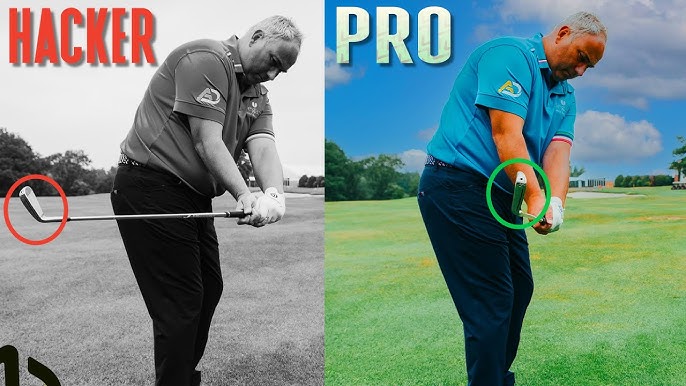
Practice Like a Pro with These Golf Tips
Every golfer dreams of playing with confidence, hitting consistent shots, and lowering their scores. While natural talent can help, the biggest difference between amateur golfers and professionals is how they practice. Professionals don’t just hit hundreds of golf balls—they practice with a purpose, focusing on technique, consistency, and course strategy.
If you’ve been spending hours at the driving range without seeing much improvement, it may be time to rethink your practice routine. A structured approach can help you improve your swing, sharpen your short game, and build the confidence needed to perform well on the course.
In this guide, you’ll discover practical golf tips inspired by professional training methods that can help golfers of all skill levels practice smarter and play better.
Why Smart Practice Matters
Many golfers believe that hitting more balls automatically leads to improvement. However, quality practice is far more effective than quantity.
A focused practice session helps you:
- Build consistent swing mechanics
- Improve accuracy
- Increase distance
- Strengthen your short game
- Develop confidence under pressure
- Lower your scores over time
The key is to practice with a clear goal instead of simply repeating the same shots.
1. Always Warm Up Before Practice
Professional golfers never begin with full-power driver swings. They gradually prepare their bodies and swings.
Warm-Up Routine
- Stretch your shoulders and hips
- Rotate your upper body
- Hit a few short wedge shots
- Progress to mid-irons
- Finish with longer clubs
This helps loosen your muscles and improves swing consistency.
2. Practice With a Goal
Every practice session should have a purpose.
Instead of saying, “I’m going to hit balls,” choose a specific objective.
Examples
- Improve driver accuracy
- Work on iron contact
- Practice bunker shots
- Develop better putting speed
- Improve ball striking
Focused practice produces faster improvement.
3. Start With Short Clubs
Many golfers head straight for the driver.
Professional players often begin with wedges because they encourage rhythm and clean contact.
Short clubs help reinforce:
- Proper swing mechanics
- Balance
- Tempo
- Ball-first contact
Once your swing feels comfortable, gradually move to longer clubs.
4. Don’t Hit Every Shot With Full Power
One of the biggest mistakes golfers make is trying to hit every ball as far as possible.
Professionals spend much of their practice hitting controlled shots.
Focus on:
- Smooth tempo
- Center-face contact
- Balanced finish
Good technique naturally creates more distance.
5. Use Alignment Aids
Poor alignment causes many golfers to miss their target even with a good swing.
Practice using:
- Alignment sticks
- Spare golf clubs
- A line on the practice mat
These simple tools help train your body to aim consistently.
6. Spend More Time on Your Short Game
Did you know that most golf shots happen within 100 yards of the hole?
That’s why professional golfers dedicate a significant portion of their practice to:
- Chipping
- Pitching
- Putting
- Bunker play
Improving your short game is often the fastest way to lower your scores.
7. Practice Different Shot Types
The golf course rarely gives you the same shot twice.
Challenge yourself by practicing:
- High shots
- Low punch shots
- Fade shots
- Draw shots
- Different wedge distances
Learning shot variety builds confidence during real rounds.
8. Create On-Course Situations
Instead of repeatedly hitting the same club, imagine you’re playing an actual hole.
For example:
- Driver off the tee
- 7-iron approach
- Chip onto the green
- Finish with a putt
This type of practice improves decision-making and course management.
9. Improve Your Putting Routine
Putting can make or break your score.
Practice both:
Short Putts
Focus on accuracy from 3 to 6 feet.
Long Putts
Practice distance control from 20 to 40 feet.
Developing a consistent pre-putt routine helps improve confidence.
10. Record Your Swing
Watching your own swing is one of the best ways to identify mistakes.
Use your smartphone to record:
- Face-on view
- Down-the-line view
Compare your posture, balance, and finish over time.
11. Focus on Tempo
Many golfers lose consistency by swinging too fast.
Professionals prioritize rhythm over speed.
Think:
- Smooth takeaway
- Controlled backswing
- Balanced transition
- Complete follow-through
A smoother swing often leads to straighter, longer shots.
12. Finish Every Practice Session With Pressure Drills
Practice should prepare you for the pressure of real rounds.
Create small challenges, such as:
- Sink five short putts in a row
- Hit three fairways consecutively
- Land five wedge shots inside a target area
If you miss, start again.
Pressure drills improve focus and confidence.
Weekly Practice Plan
Day 1 – Full Swing
- Wedges
- Irons
- Driver
- Alignment practice
Day 2 – Short Game
- Chipping
- Pitching
- Bunker shots
- Putting
Day 3 – Course Simulation
Practice different clubs as if you’re playing real holes.
Finish with putting.
Common Practice Mistakes
Avoid these habits that slow improvement:
Hitting Balls Too Quickly
Take time between shots to reset.
Ignoring Weak Areas
Practice the skills that need the most improvement.
Skipping the Short Game
Long drives are exciting, but putting often determines your score.
Practicing Without Feedback
Record your swing or ask a qualified golf coach for guidance.
Tips for Faster Improvement
To make steady progress:
- Practice consistently instead of occasionally.
- Keep a golf journal.
- Set small, achievable goals.
- Stay patient with your development.
- Focus on one improvement at a time.
Remember that lasting improvement comes from repetition and good habits.
Final Thoughts
Professional golfers aren’t just talented—they’re disciplined in how they practice. Every practice session has a purpose, and every shot provides feedback.
You don’t need unlimited time or expensive equipment to improve your game. By practicing with intention, focusing on your fundamentals, and dedicating time to both your long game and short game, you can build a more consistent swing and enjoy better results on the course.
Golf rewards patience, persistence, and smart practice. Start applying these tips during your next practice session, and you’ll be one step closer to playing like a pro.
Frequently Asked Questions
How often should I practice golf?
Practicing two to three times per week with focused goals is more effective than occasional marathon sessions.
What should beginners practice first?
Beginners should focus on grip, stance, posture, alignment, and making solid contact before worrying about distance.
Is the short game really that important?
Yes. Chipping and putting account for a large percentage of shots during a round and can significantly improve your scores.
Should I practice with my driver every session?
No. Spend time on all clubs, especially wedges and irons, to develop a well-rounded game.
Can I improve without taking lessons?
Yes. Consistent practice, self-analysis, and good fundamentals can lead to steady improvement. A coach can help identify issues more quickly, but regular practice remains essential.
Leave a Reply